InCore
Chennai-based RISC-V processor IP company, redesigned around a new flagship product.

Overview
InCore Semiconductors is a Chennai-based fabless semiconductor company building customizable RISC-V processor IP, grown out of the SHAKTI processor program at IIT Madras and backed by Peak XV Partners. Instead of manufacturing chips, InCore licenses processor cores and SoC design tools, charging a license fee plus an optional volume-tied royalty.
I worked on InCore's website through a design agency, on and off, from early 2024 through mid-2025. It wasn't a single redesign and launch: brand discovery and a first product-page pass, a full homepage rebuild about a year later after a strategy shift, then ongoing SEO fixes, landing pages, and content support.
TL;DR
Problem Statement
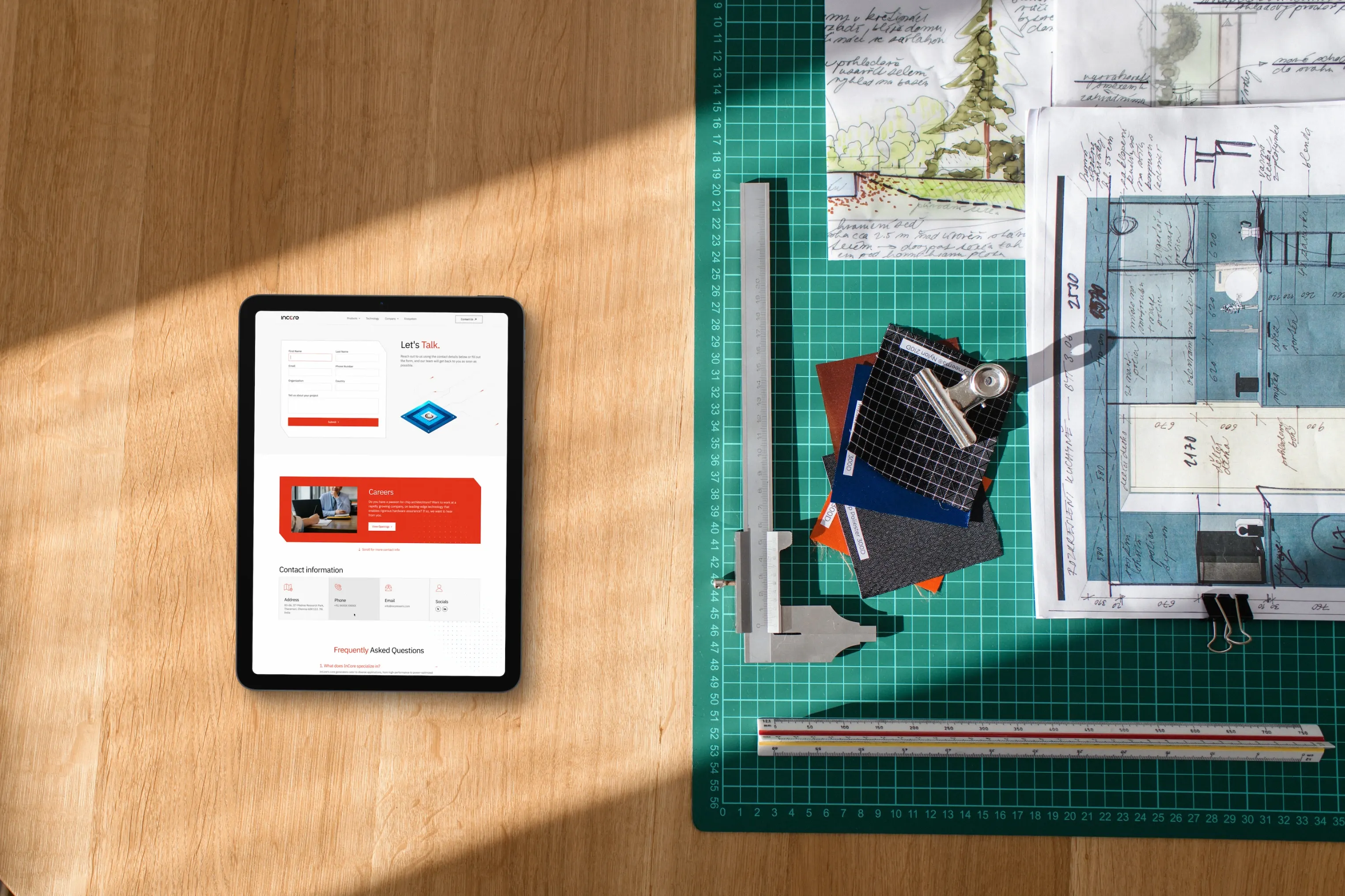
InCore's own list of problems was specific and unglamorous: not enough product information for evaluating engineers, a broken enquiry form, no in-house developer to keep any of it updated. The stakes were higher than a typical B2B site too, since InCore's buyers are SoC architects who can't afford to pick the wrong vendor.
- Not enough product information for evaluating engineers
- No working way to submit an enquiry, the form was broken
- Information going stale quickly as the company evolved
- No in-house developer to maintain anything built
Cautious about technology vendors to work with, since mistakes are very costly in the semicon industry.
— InCore Semiconductors
About a year in, a second problem emerged: InCore's internal automation platform, the SoC Generator, let one engineer do in minutes what used to take a team months. It became the company's real differentiator internally, but the site still presented it as one of several equal offerings, and rising bounce rate suggested visitors weren't getting the message.
Approach
I worked from a structured brand and audience questionnaire the client filled out directly. Two details shaped everything downstream: the buyer is highly risk-averse, since picking the wrong CPU vendor is a costly, career-relevant decision, and the company had zero in-house technical capacity, so every design decision also had to be realistic for a non-developer to maintain.
The first deliverable was structuring the product section around a flow the client had in their head but hadn't put into a page hierarchy: Build Your Own Core, Buy a Core across two tiers, Buy a Full Chip across SoC options, each leading to a sales enquiry, plus a documentation area. I wrote the copy and structure directly from that flow instead of inventing a new one.
Showcase
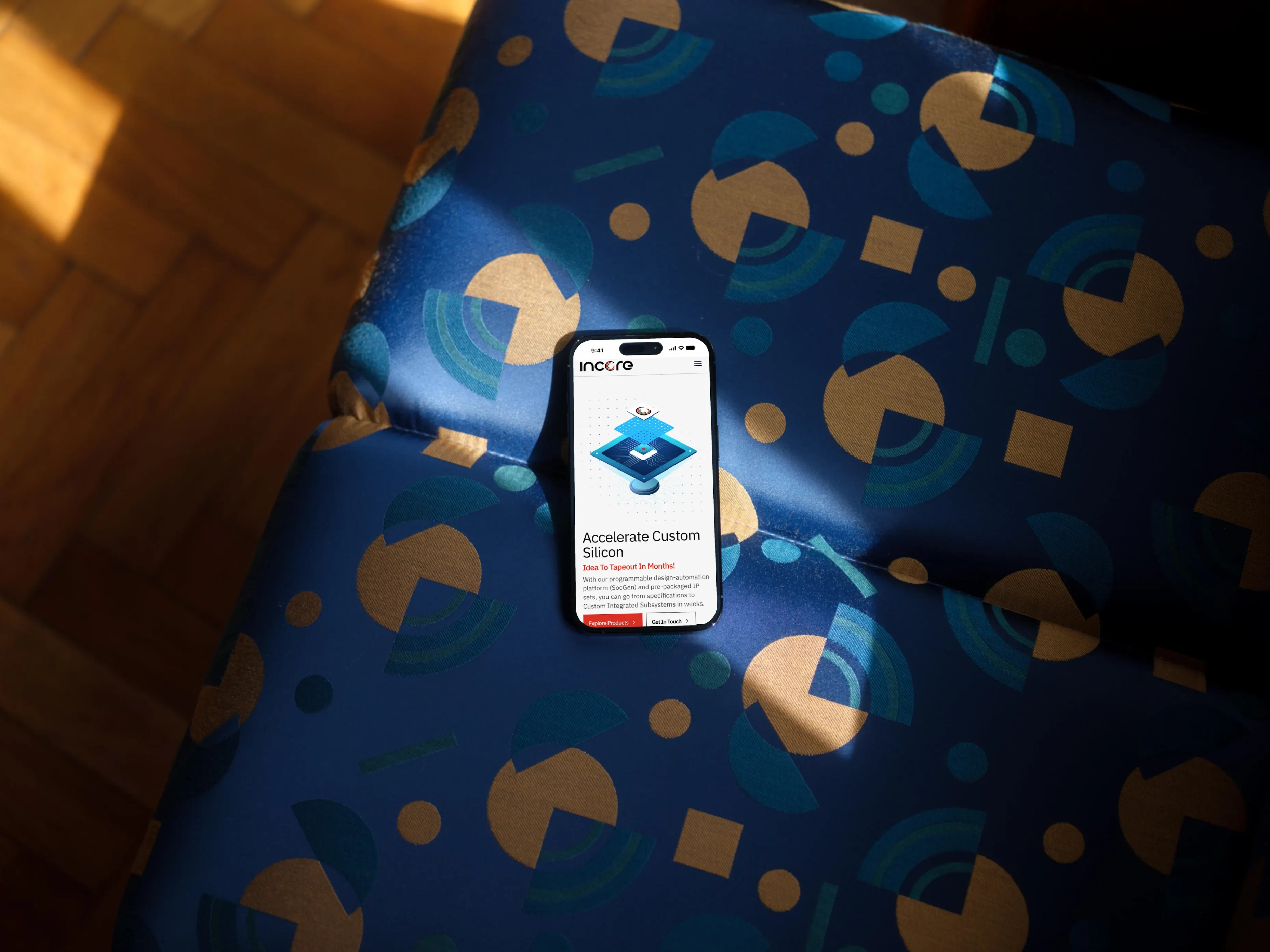
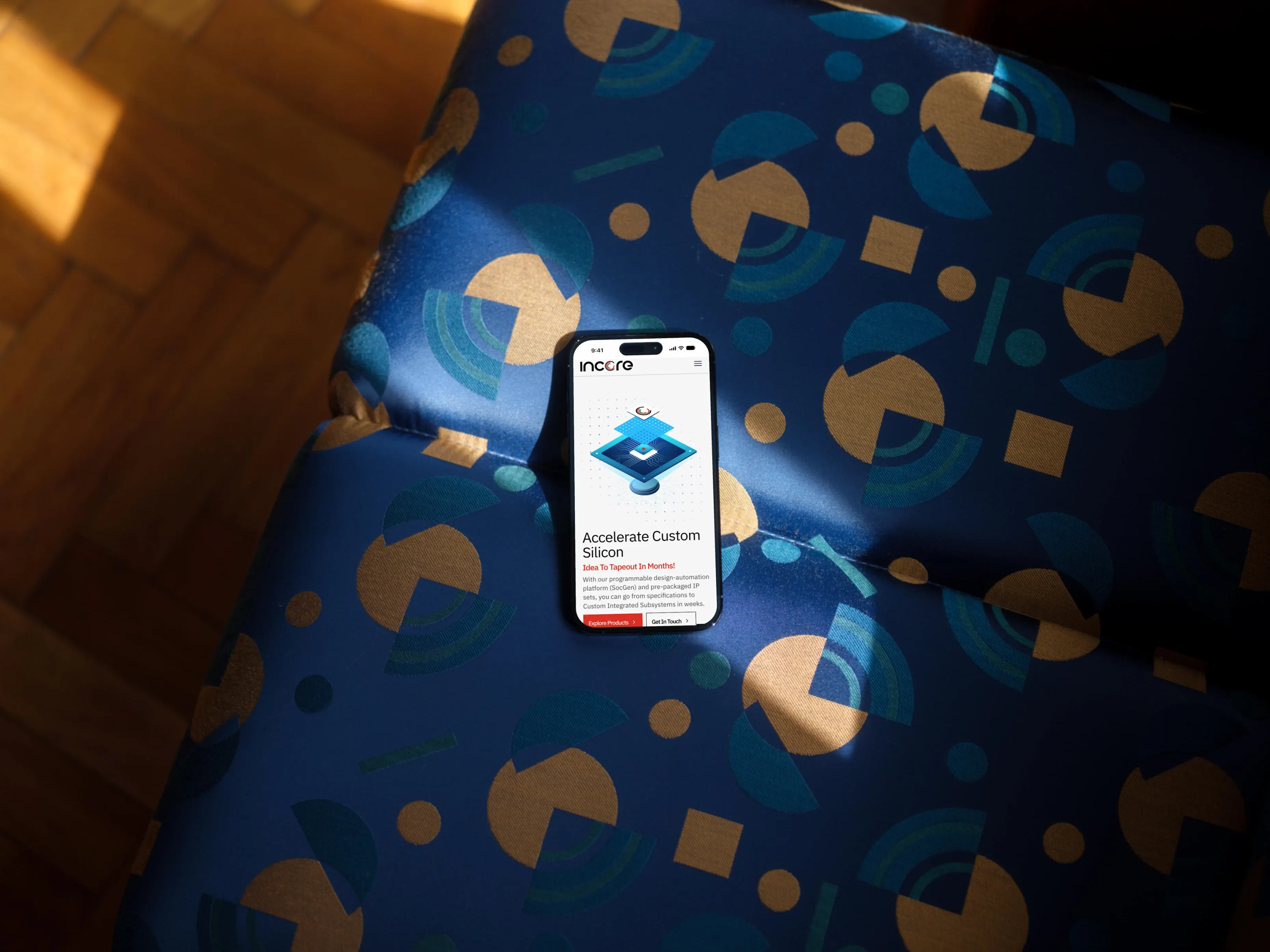
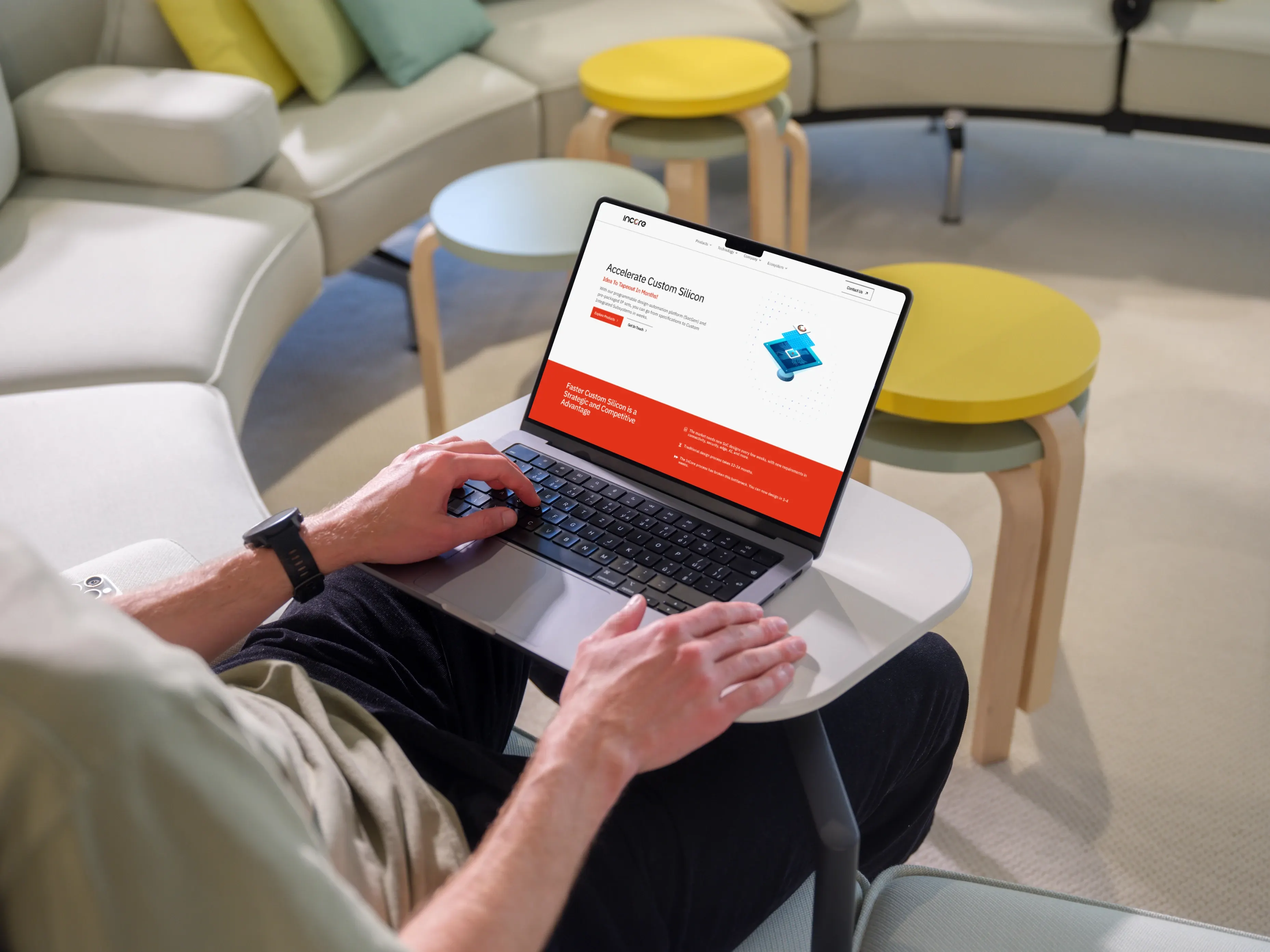
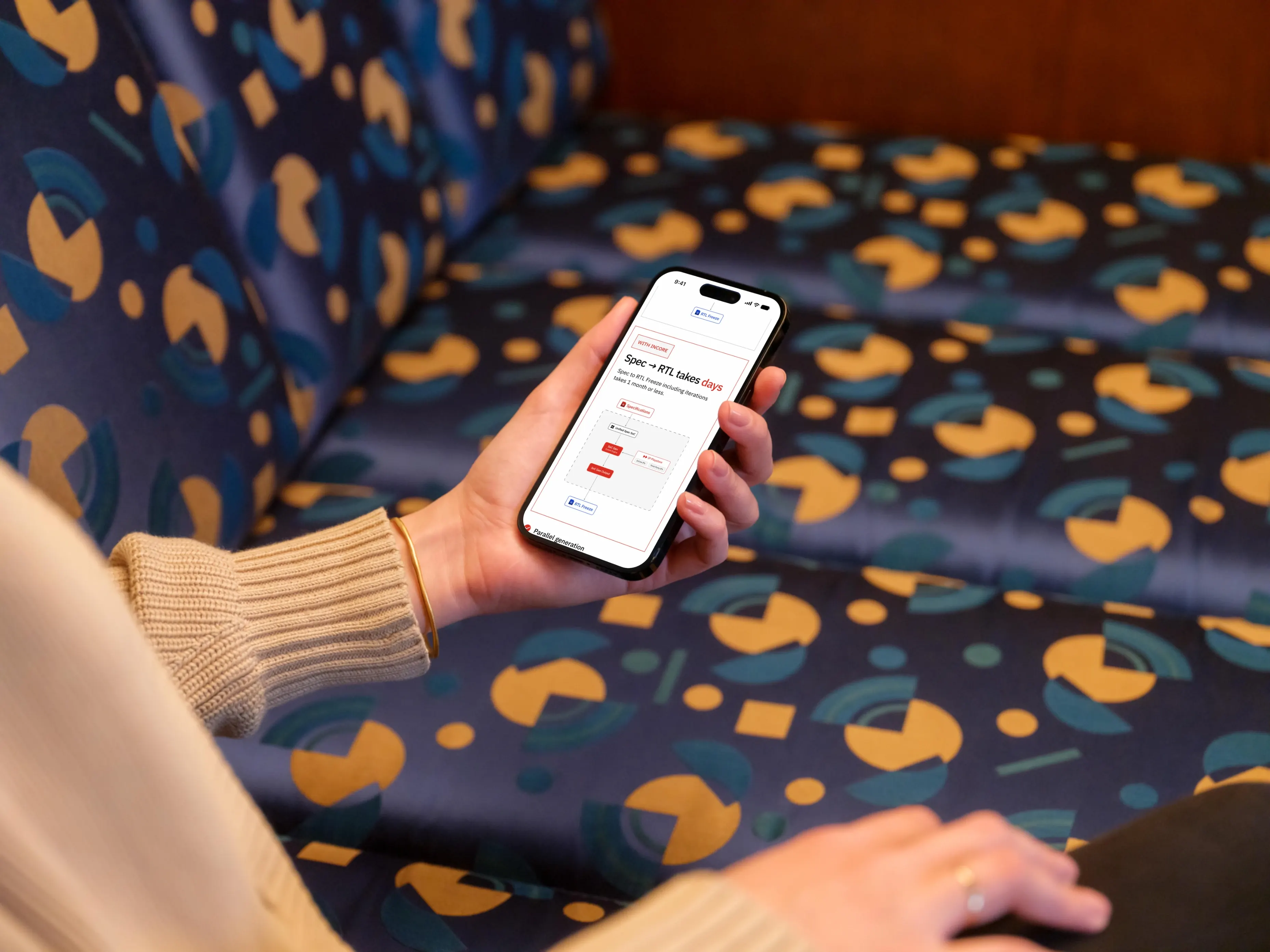
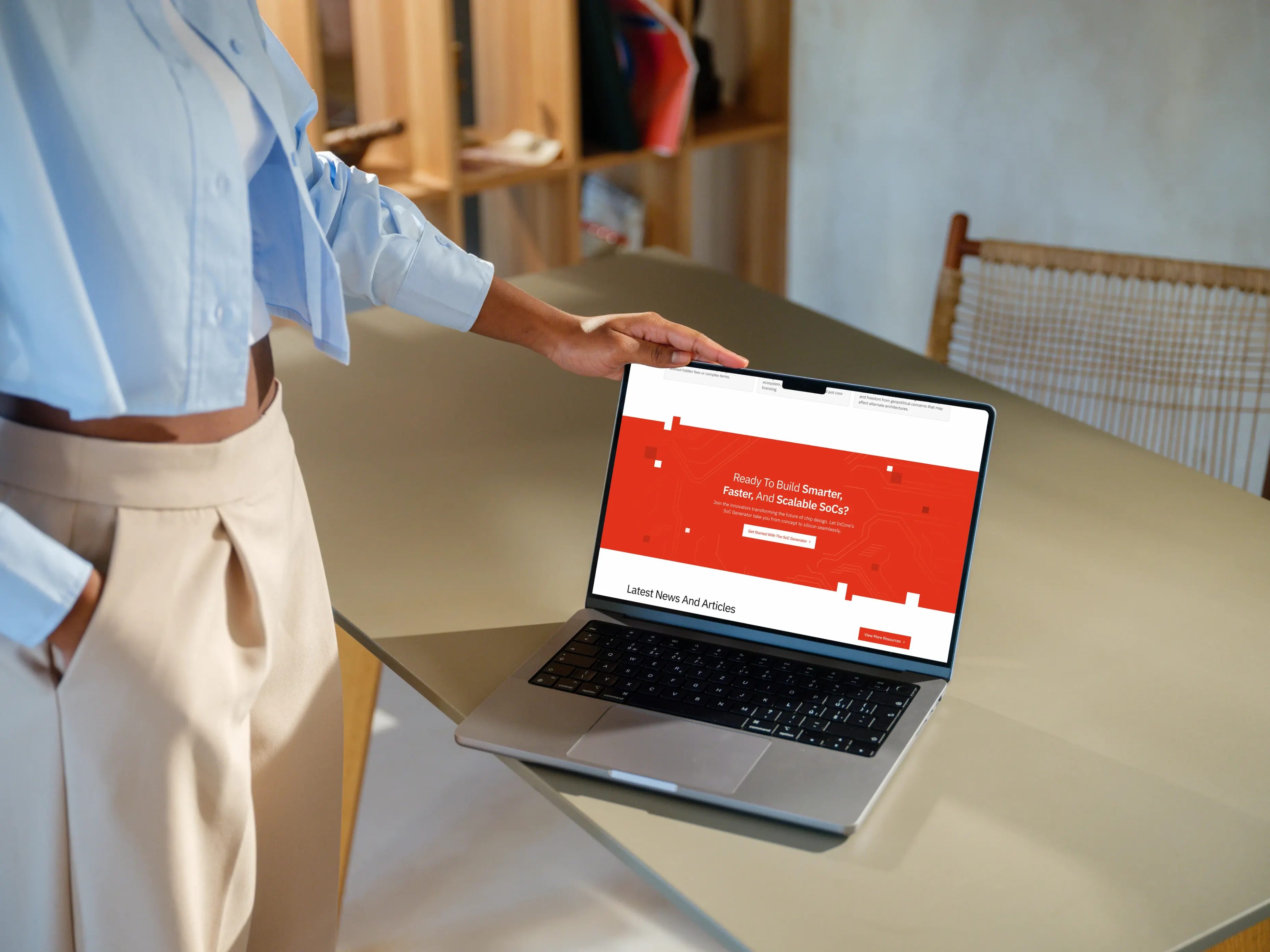
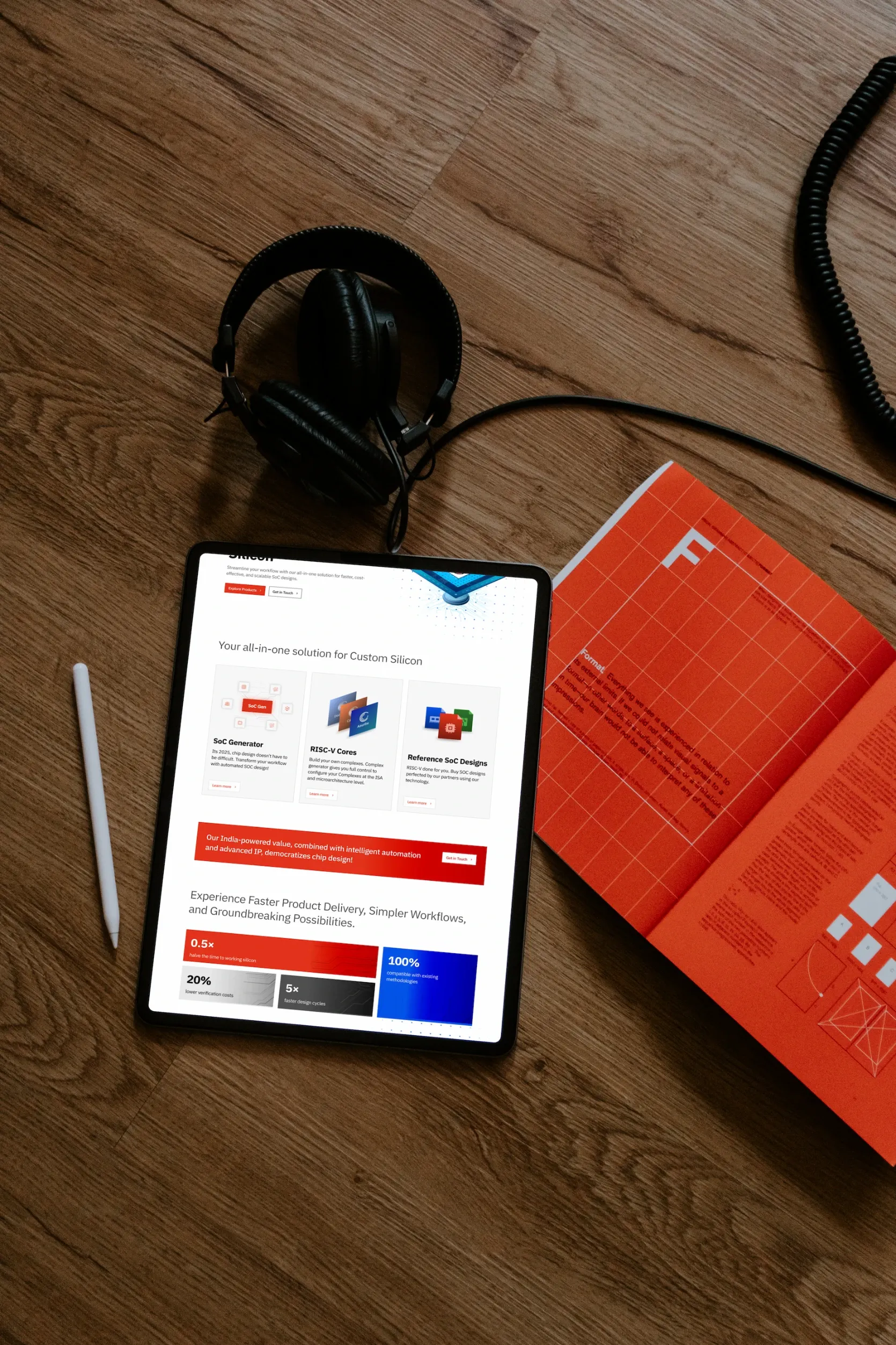
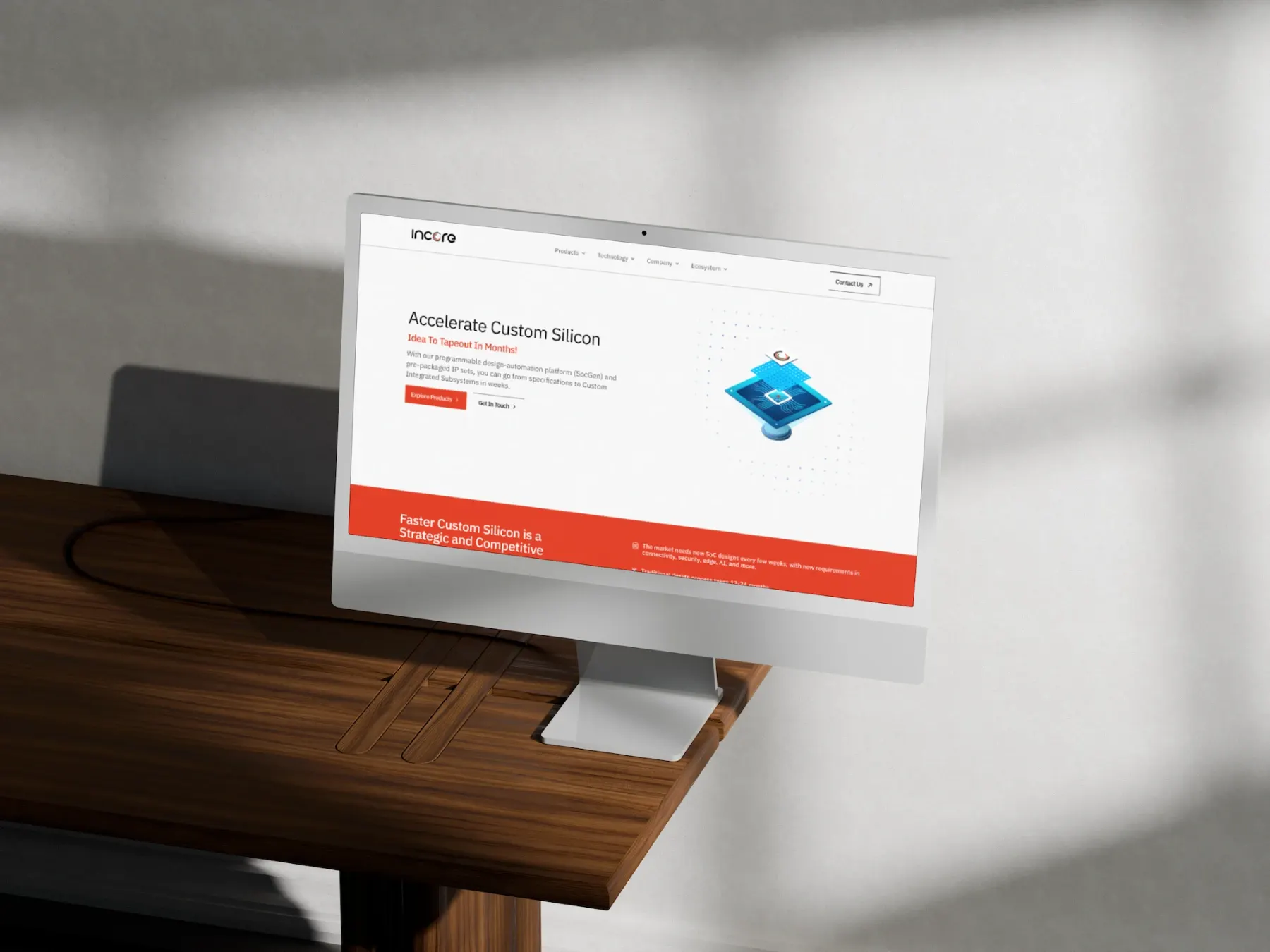
About a year later, the client's strategy shifted internally: SoC Generator, not the individual IP cores, was becoming the flagship product they wanted every visitor to understand first. That meant changing what the homepage was fundamentally organized around, not just how it looked. I rebuilt the structure so SoC Generator anchored the hero, with the RISC-V cores (renamed Core-Hubs to avoid confusion) and reference designs repositioned underneath it as supporting offerings.
Because the strategy shift was urgent and a full rebuild takes time, the work split into two passes: a fast one-week update to surface SoC Generator messaging on the existing site, then a fuller homepage rebuild the next month, so the business-critical message went live without waiting on the complete redesign.
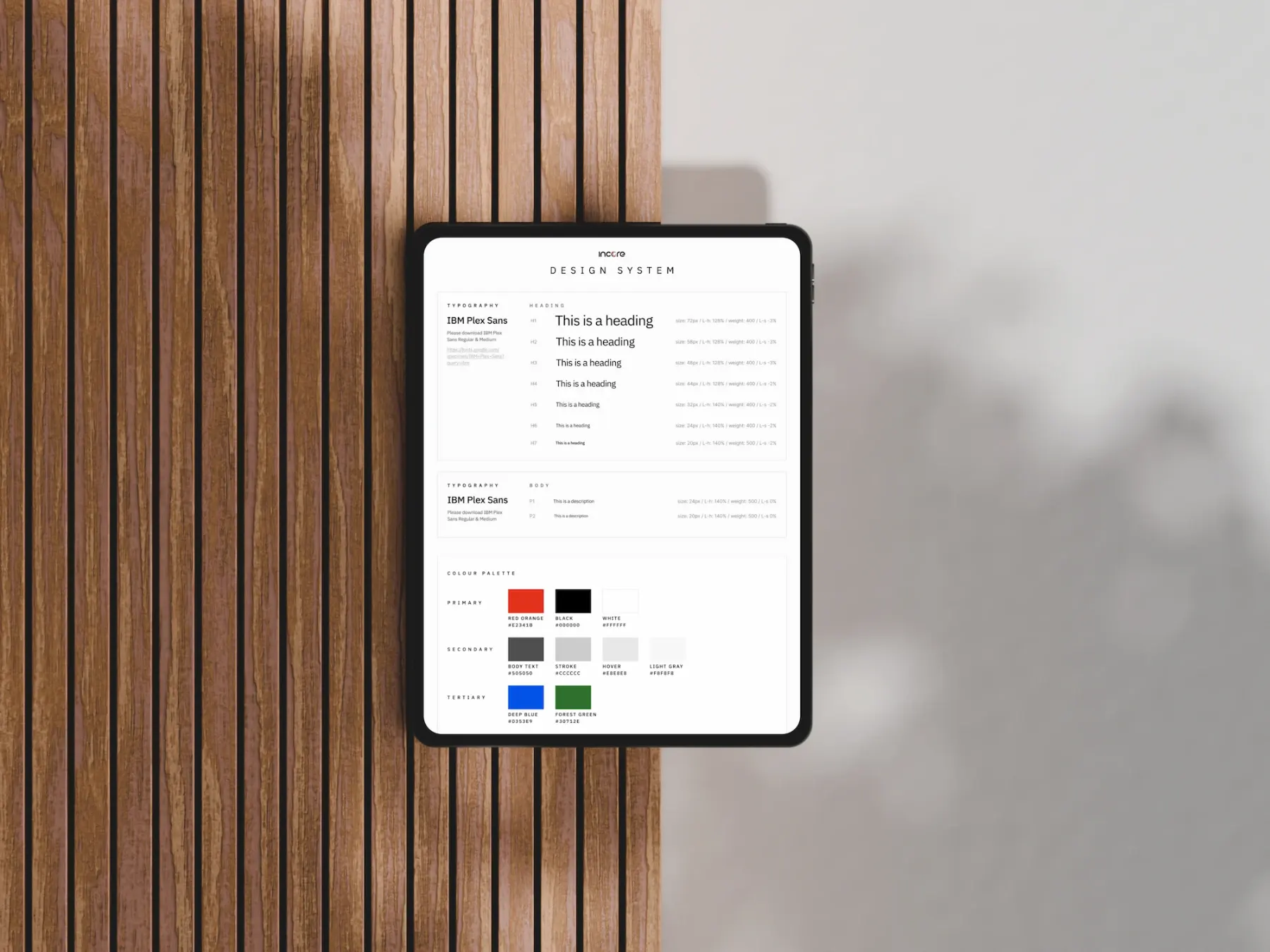
Design System
Once the new homepage was live, I kept iterating on real SEO and performance reports the client shared every few months: fixing Core Web Vitals, addressing keyword cannibalization between competing pages, adjusting internal linking to the SoC Generator page after a report showed its clicks climbing while overall traffic fell.
Some fixes were mundane but real: a gated brochure stuck on the client's OneDrive, moved into the site's own documentation page with a proper download link; a broken enquiry form caused by an expired API key, which also surfaced a case for redundant email. I kept producing supporting material too, landing pages, documentation, newsroom summaries, as InCore kept shipping new products.
Conclusion
The site went through two concrete milestones: a working product-page structure in 2024, and a full homepage rebuild in January 2025 that repositioned SoC Generator as the flagship product. Real SEO reports afterward showed a mixed picture: clicks to the SoC Generator page rose sharply while overall traffic dipped, engagement improving even as sessions declined. I kept adjusting internal linking, CTA placement, and performance against that data rather than treating the rebuild as finished. I don't have lead-volume or conversion numbers from the enquiry form itself, so I'm leaving that claim out.
The main lesson: a homepage redesign request can be a business-strategy request wearing a design costume. When InCore asked for a refresh, the real change was that the company had decided what it wanted to be known for, and the old structure worked against that. The other lesson was treating the site as something to keep tuning against real data, not a project with one finish line.